The Material Library
Exceptional Materials
"Every piece of timber tells its own story. My role is simply to reveal its best chapter."
Bruno Boulay
Materials That Define Each Piece
Each piece begins with materials. Solid timber and natural hardwoods are chosen board by board for figure, tone and stability. Heritage leather for texture and character, antique brass for warmth and patina, Hainsworth cloth for colour, acoustics and play. Each is selected in response to the room: the light, the architecture and the furniture already in place.
Timber gives the piece its character. Metal provides contrast. Leather introduces warmth, while Hainsworth cloth completes the balance between furniture and play. Whether the piece becomes a pool table, a shuffleboard or a bar billiards table, it is furniture first. The materials are the foundation of that principle, chosen through the disciplines of cabinet making and the standards of bespoke furniture.
The Reference
Why Materials Matter
Material selection decides how a table will read ten, twenty or fifty years from the day it leaves the workshop. Get the materials right and the table ages into the room. Get them wrong and no amount of craftsmanship later will recover it.
Each material brings something different. Hardwood brings stability and a grain that deepens with handling. Metal supplies contrast and a surface that accepts a patina. Leather offers a quiet softness, and wool cloth brings colour, acoustics and a true roll. The way those surfaces relate to one another is what allows a table to sit comfortably beside the furniture around it.
The room governs the choice. A table for a low-lit panelled study asks something different of its materials than one for a white-walled contemporary room. The same philosophy runs through every table, whether it becomes a pool table, a shuffleboard or a bar billiards table.
The Principal Materials
Material Palette
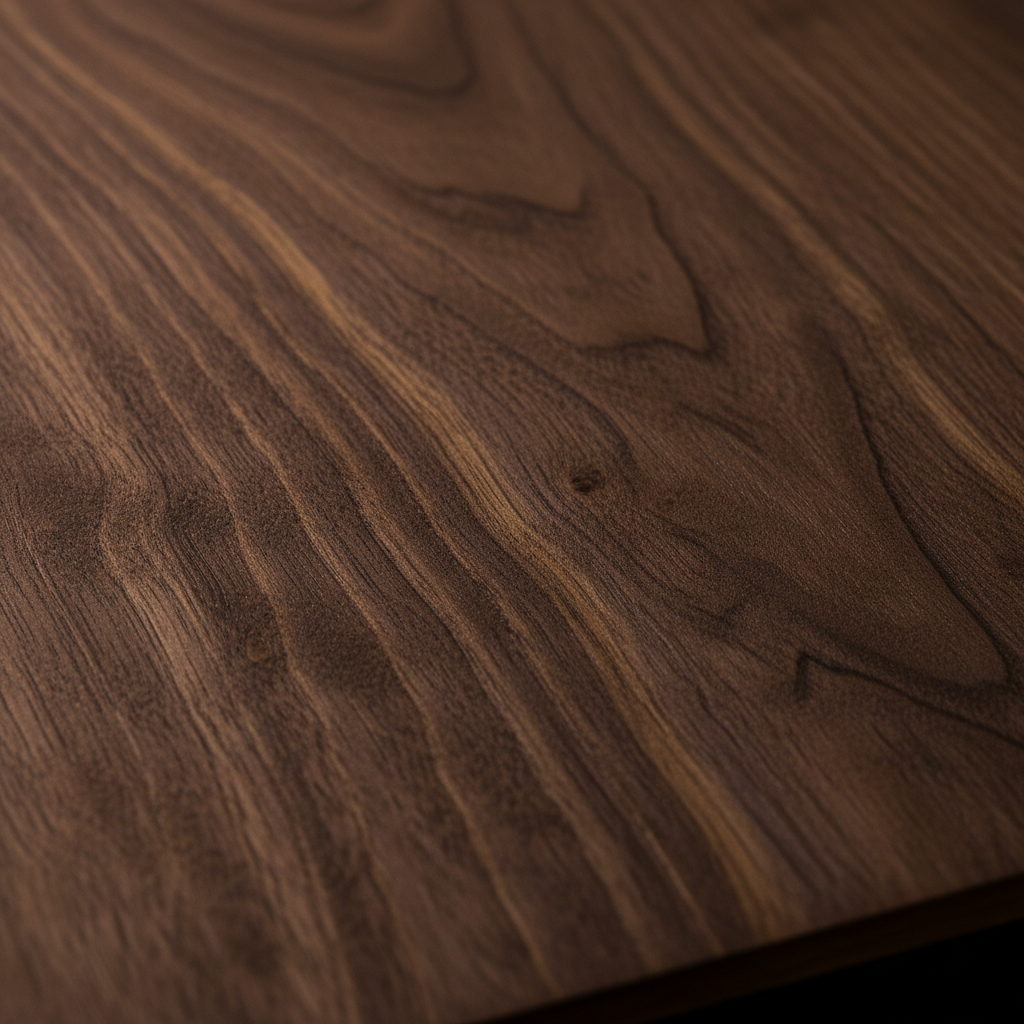
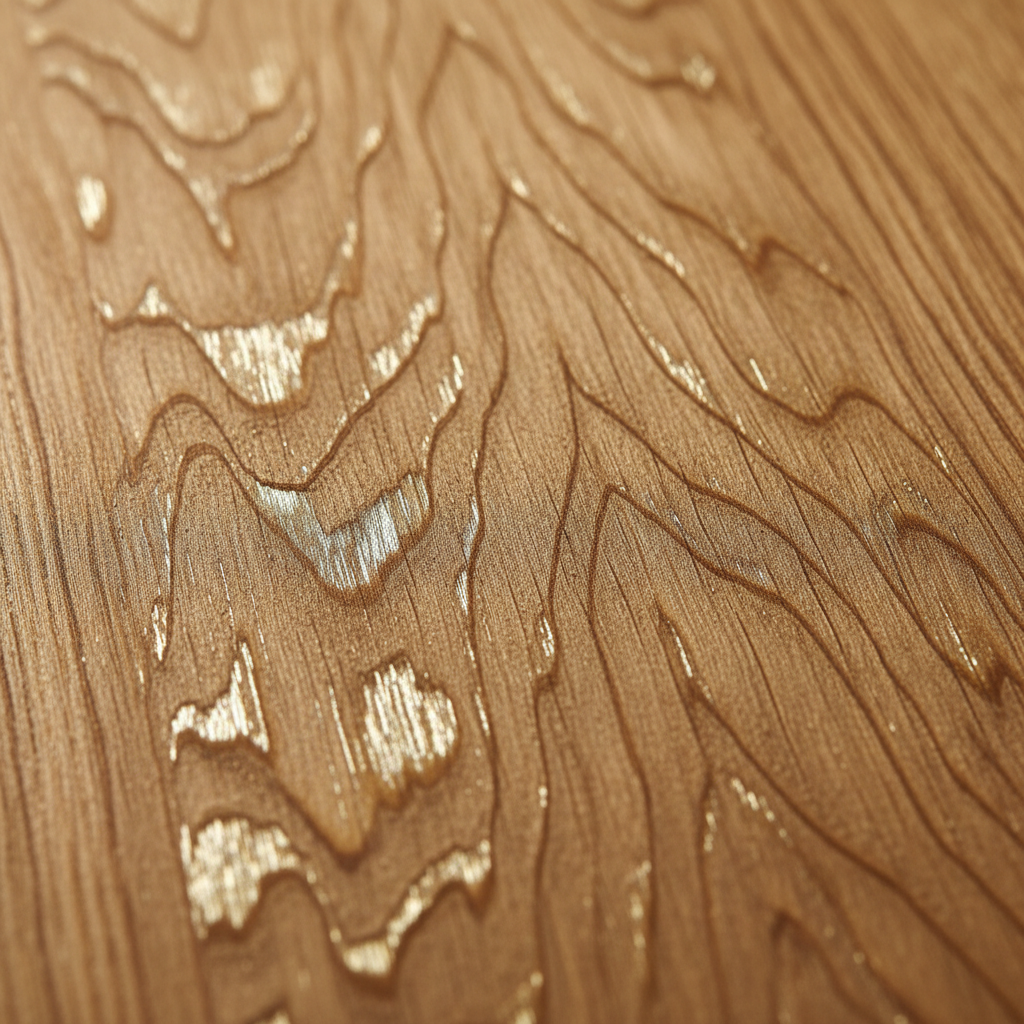
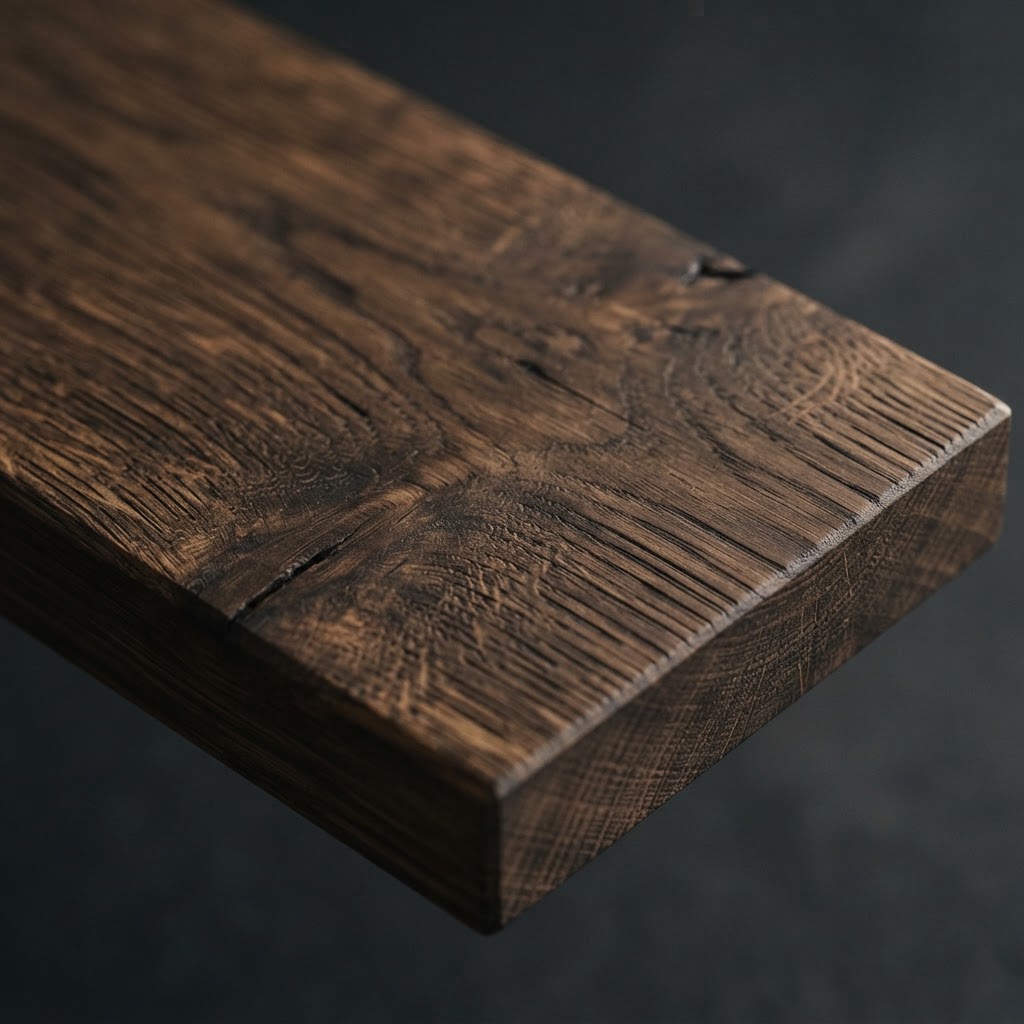
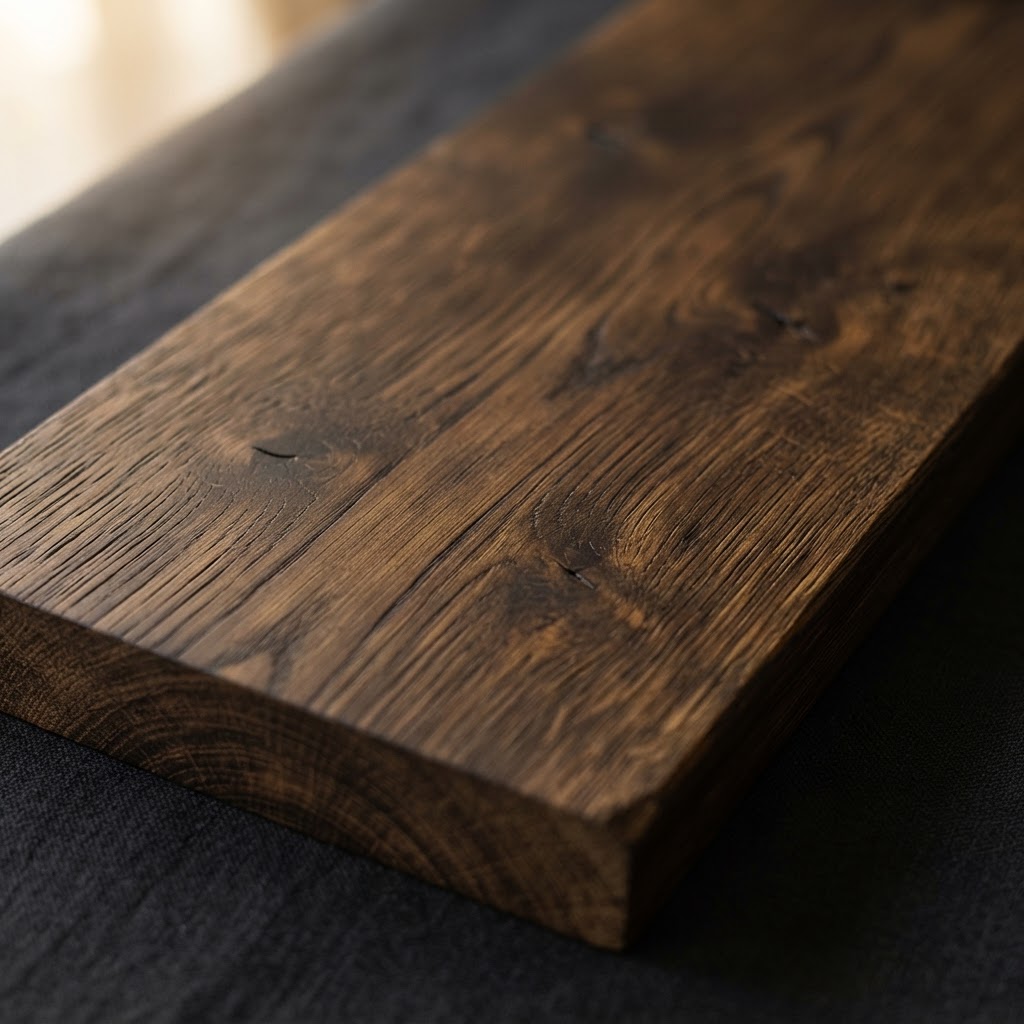
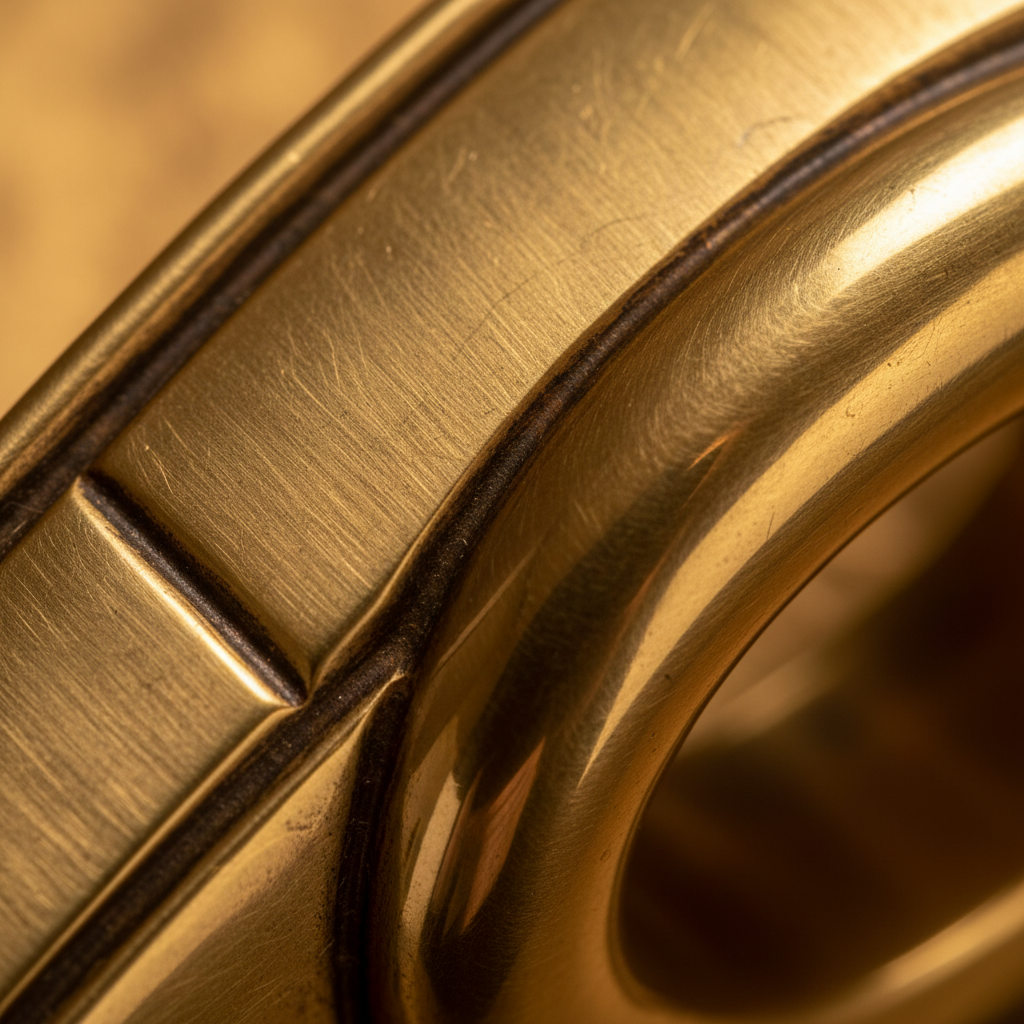
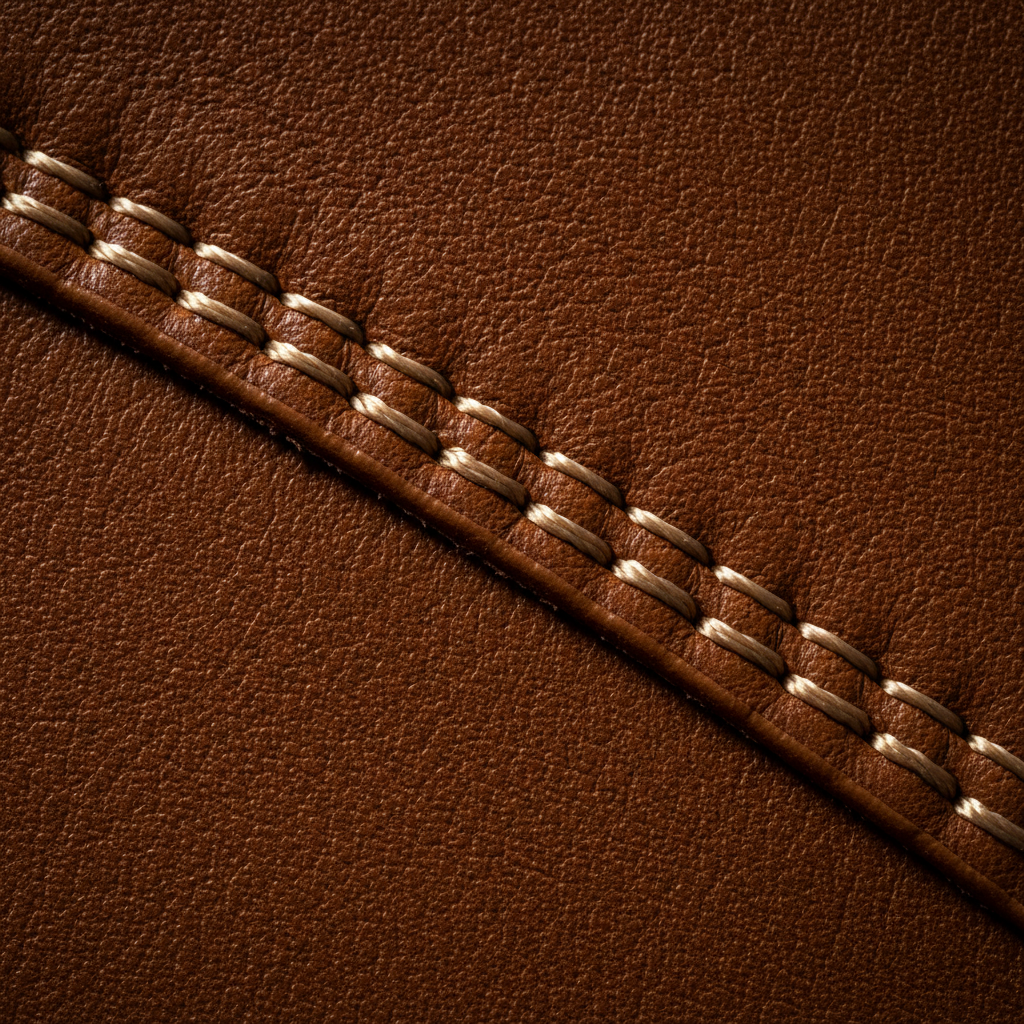
Each piece combines these materials differently. The architecture, light, palette and proportions of the space all shape the final selection. Bespoke furniture is drawn from the room outward, so the materials work together with the interior rather than arriving fully formed.
Timber Collection
Signature Timbers
American Black Walnut
European Oak
Smoked Oak
Fumed Oak
Available Finishes
The Selection
Choosing the Right Timber
The choice of timber sets the character of the whole commission, and it is one of the first decisions settled in conversation with the client or their interior designer. Bruno rarely recommends a timber in the abstract. The room, its light and the furniture already in place are what determine which wood will sit most comfortably within it.
Boards are presented against samples of the interior, floor, fabric and finish, so the choice is made in context rather than from a page. Where a designer is involved, the timber is selected to coordinate with the wider palette, and the workshop provides samples, finishes and CAD drawings at every stage.
| Timber | Character | Best Interior | Ages Over Time |
|---|---|---|---|
| American Black Walnut | Rich, warm, elegant | Country houses, warm contemporary interiors | Deepens beautifully |
| European Oak | Light, timeless | Traditional and contemporary homes | Warms gently |
| Smoked Oak | Modern, architectural | Contemporary interiors | Holds dark tone |
| Fumed Oak | Heritage, characterful | Libraries, period homes | Develops natural patina |
Metal Finishes
Metal Finishes
Metal is used sparingly and to a purpose. Pocket liners, corner details and rail fittings are selected to support the timber around them, not to assert themselves over it.
Antique brass and other metal finishes are selected to complement the surrounding timber and develop character with age. Hand-poured resin is used separately where a commission calls for colour, pattern or a more decorative detail. The intention is always that the metal should be discovered rather than announced, answering the metals already present in the room.
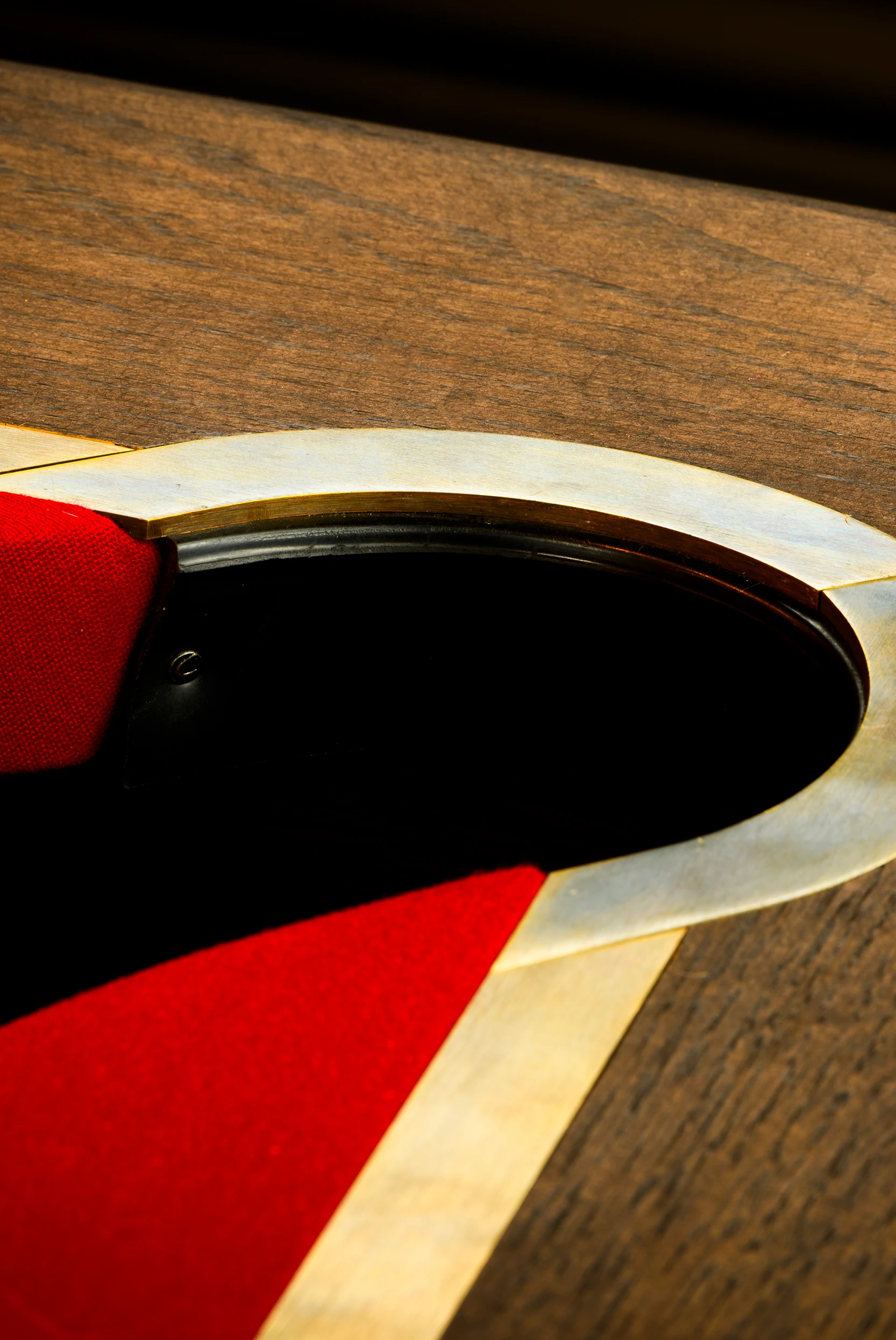
Brass Finishing
Solid brass, hand-cast and finished in a lacquered or aged surface. Brass warms the timber around it, supplying contrast without coldness. It is the natural partner of walnut and of the warmer cloth colourways.
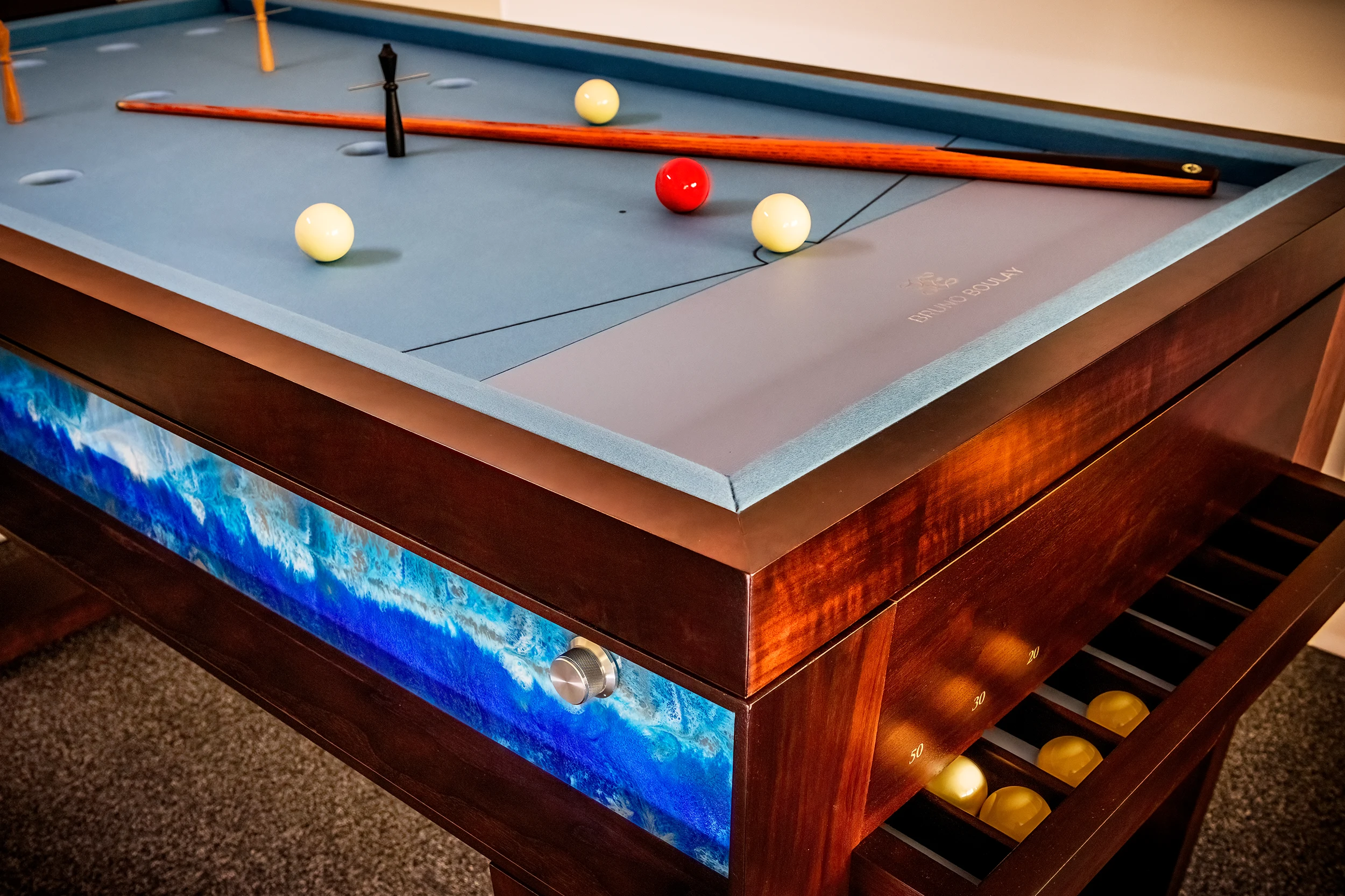
Resin Side Details
Hand-poured resin allows colour and pattern to be set into the side of the table or pocket detailing, flush with the timber and finished as one with it. Resin is reserved for commissions where a sharper line of colour or a decorative motif is wanted.
Pocket Linings & Rail Cushions
Heritage Leather
We use full-grain leather from heritage English tanneries, selected for texture, warmth and natural character. Full-grain leather retains the natural surface of the hide and develops a distinctive patina with use.
Each hide is chosen for consistent grain and colour depth, and every detail is hand-stitched and fitted by the workshop. Where leather meets timber and brass, the edges are pared and bedded so the materials read as one.
Leather is reserved for the surfaces where a softer material is needed to receive the balls, bringing a quiet, tactile quality that warms in the hand and softens in sheen with the years.
Available in
Premium Playing Cloth
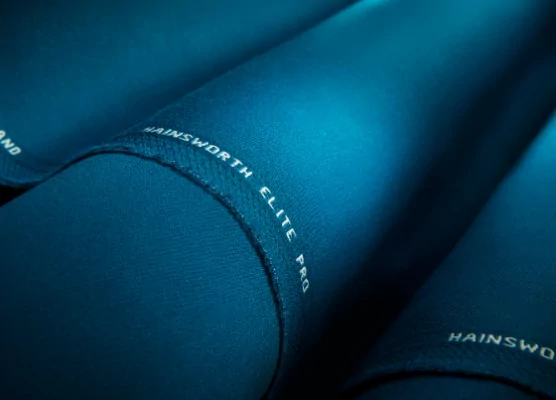
Hainsworth Cloth
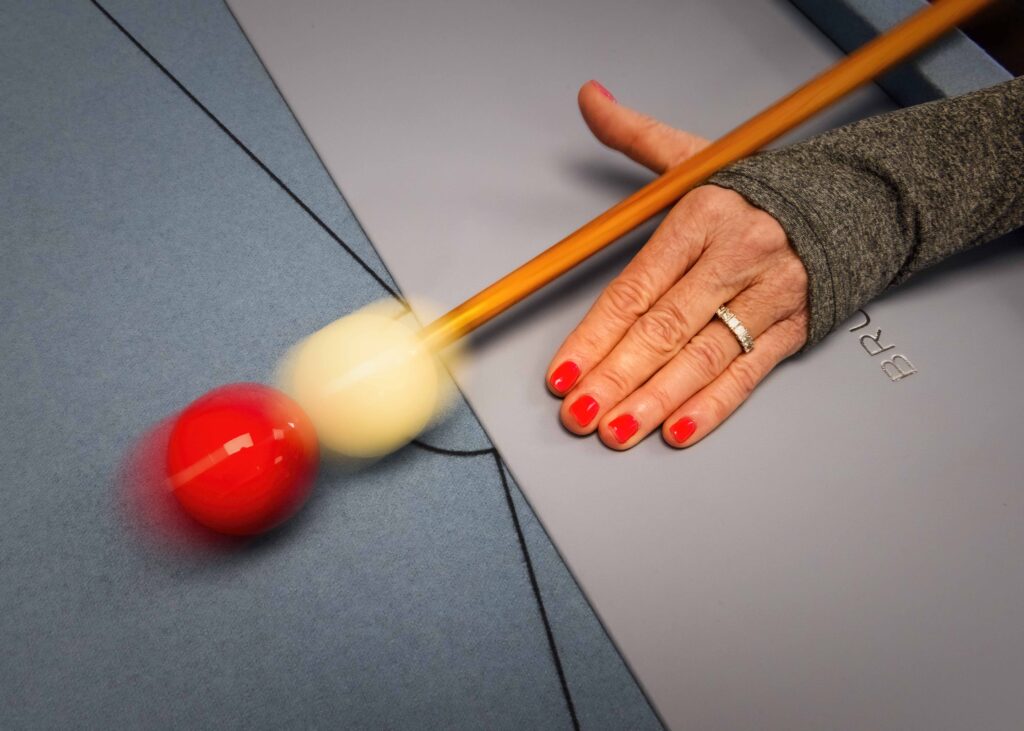
The playing cloth is one of the final design decisions and one of the most personal. Rather than defaulting to a traditional green or blue, the cloth is selected to complement the surrounding interior: the timber, the metals and the wider palette of the room.
We specify Hainsworth cloth, woven in Britain and trusted throughout professional cue sports. A wide selection of colourways is available, each selected to complement the timber, metals and wider interior.

Durable. Versatile.
Hainsworth Smart
Ideal for family games rooms and everyday use.
Tightly woven for durability, Smart retains exceptional colour fastness and playing performance across years of regular play.


Curated Colour Palette
A wide selection of premium cloth colourways is available during your personal design consultation.
Beneath the Surface
Hidden Performance
The hidden components are selected with the same care as the visible surfaces. Professional-grade Northern Rubber cushions and a precision-machined slate bed are integrated into the cabinet during construction, so the playing surface and the cabinetry are designed as one.
These components are never seen, and they do not need to be. Their purpose is to disappear into the furniture. These components are discreetly integrated into the furniture and selected for accuracy, durability and long-term serviceability.
Each hidden component has been chosen to support generations of exceptional play.
Material Combinations
The Palette
Each piece combines these materials differently, selected in response to the room, its architecture and the surrounding furniture.
View the Bespoke ProcessThe Long View
Care and Ageing
A Bruno Boulay table is designed to age beautifully, not to stay new. The materials are chosen because they improve with handling and with the years.
Solid Timbers & Natural Hardwoods
Hardwoods deepen with handling and light. Walnut develops a richer tone over time, while oak gradually warms. With appropriate care and occasional refinishing, both retain their distinctive grain and character as they age.
Brass
Unlacquered brass is left to age, developing a patina that records the years. A soft cloth returns it to a brighter tone, or it may simply be allowed to deepen. Lacquered brass retains its original finish and does not develop the same patina.
Leather
Full-grain leather softens and darkens with use, taking on a subtle sheen where handled. An occasional feeding with a neutral leather balm keeps it supple.
Cloth
Wool cloth is brushed gently in the direction of the nap and kept dry. With care, a quality cloth gives many years of true play before re-clothing is needed.
For the Trade
Designed for Interior Designers
Interior designers regularly specify Bruno Boulay commissions for country houses, private clubs and residential projects. Timber, cloth, leather and brass are all specified individually, with samples provided at every stage so the palette is agreed against the room rather than in the abstract.
CAD drawings support the design process, allowing the design to be resolved before any timber is cut. The workshop is accustomed to working to a designer's palette, proportions and programme, so the finished piece sits within the interior as if it were always part of it.
The Long Life
Sustainability and Longevity
Designing furniture to be repaired, refinished and re-clothed extends its useful life and reduces the need for replacement. Bruno Boulay furniture is made with longevity and future maintenance in mind.
The furniture is built to be repairable. A cloth can be replaced, a brass fitting re-finished, a surface re-oiled. Solid hardwood is central to that longevity. A frame built from solid timber can be refinished decades after it was made, returning it to the standard it left the workshop with. This is furniture built to last generations, not to be discarded.
Questions
Frequently Asked Questions
The best timber is the one that belongs in the room. American Black Walnut is favoured where warmth and depth are wanted, European Oak where a paler character is called for, Smoked Oak in contemporary interiors, and Fumed Oak in period properties. We do not recommend a timber in the abstract. The room, its light and the furniture already in place are what determine the choice. Boards and finishes are presented against samples of your interior, so the decision is made in context.
The Journal
Related Reading
Explore the materials, finishes and design decisions behind individually commissioned Bruno Boulay furniture.
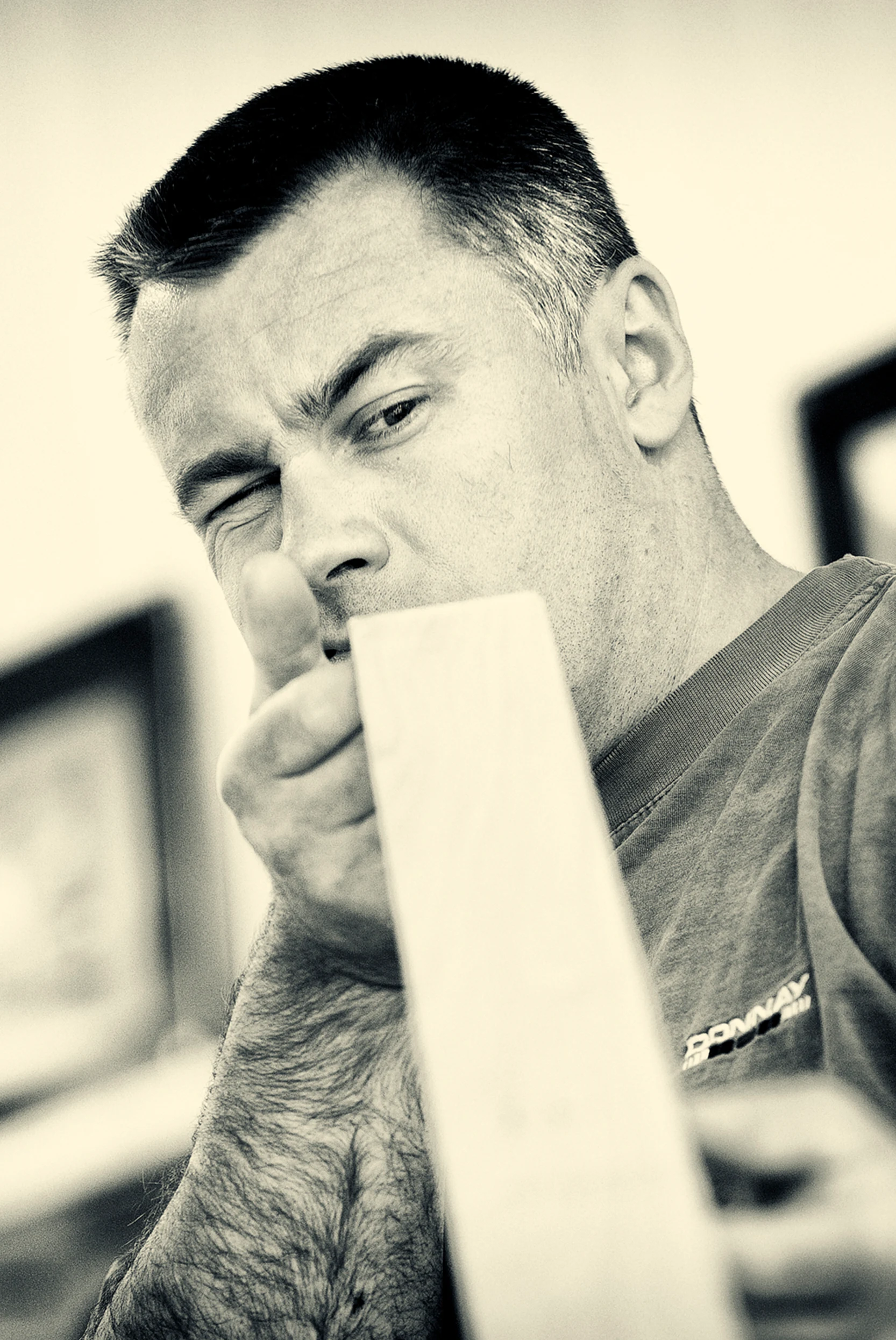
Luxury Furniture Begins With Exceptional Materials
Every exceptional piece of furniture begins with exceptional materials. Discover how the right combination of timber, leather, brass and cloth creates furniture designed to belong in your home for generations.